Dorothy House joins landmark end of life care event at House of Commons
Health, care, hospice, local government and community leaders from across Bath and North-East Somerset, Swindon, Wiltshire (BSW), Dorset and Somerset are coming together at a landmark event to develop a shared approach to end of life care across the region.
The event on 1 December at the House of Commons will bring partners together around a clear ambition: by 2032, everyone should be able to receive compassionate, coordinated and equitable end of life care, wherever they live and whatever their diagnosis, background, age or circumstances.
Live well. Die well. Grieve well.
“As individual end of life care providers, we know that our communities could be better served with sustainably funded services. For years we have been individually requesting a change to the Hospice and end of life funding model. Whilst those in power have expressed empathy to our needs, nothing has changed and too many people are left unsupported at one of the most vulnerable times of life.
Now we are coming together with one voice because everyone deserves access to end of life care and support that is personalised and available where it matters most to them. Without change, too many people in the south-west will care, die and grieve alone. We believe that no one should face death alone.”
Wayne de Leeuw – Chief Executive, Dorothy House
A shared regional promise
The event will explore a proposed eight-point plan for end of life care and the foundations of a five-year programme of collective action. It will ask organisations to work beyond traditional boundaries and organise care around people and families, rather than individual services or institutions.
The plan starts from the principle that dying, caring and grieving are whole-system and whole-community responsibilities. The NHS, hospices, local government, social care and care homes must work alongside voluntary organisations, schools, employers, faith groups, families, friends and neighbours.
What needs to change
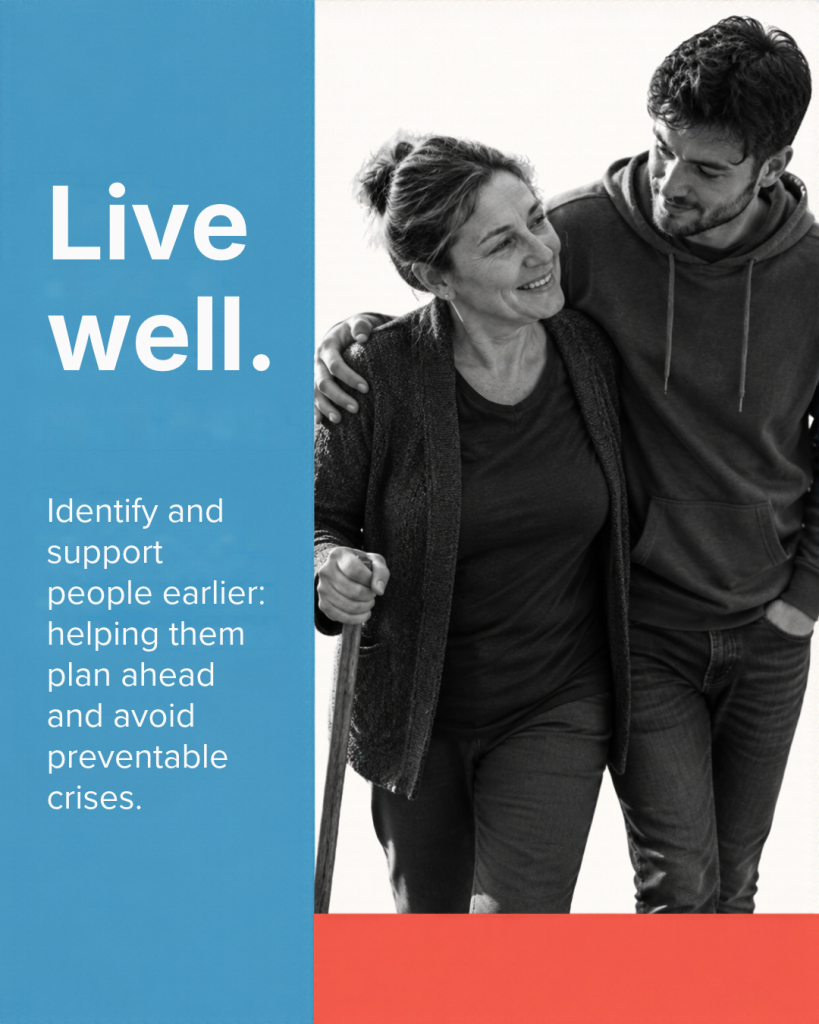
- Identify and support people earlier, helping them plan ahead and avoid preventable crises.
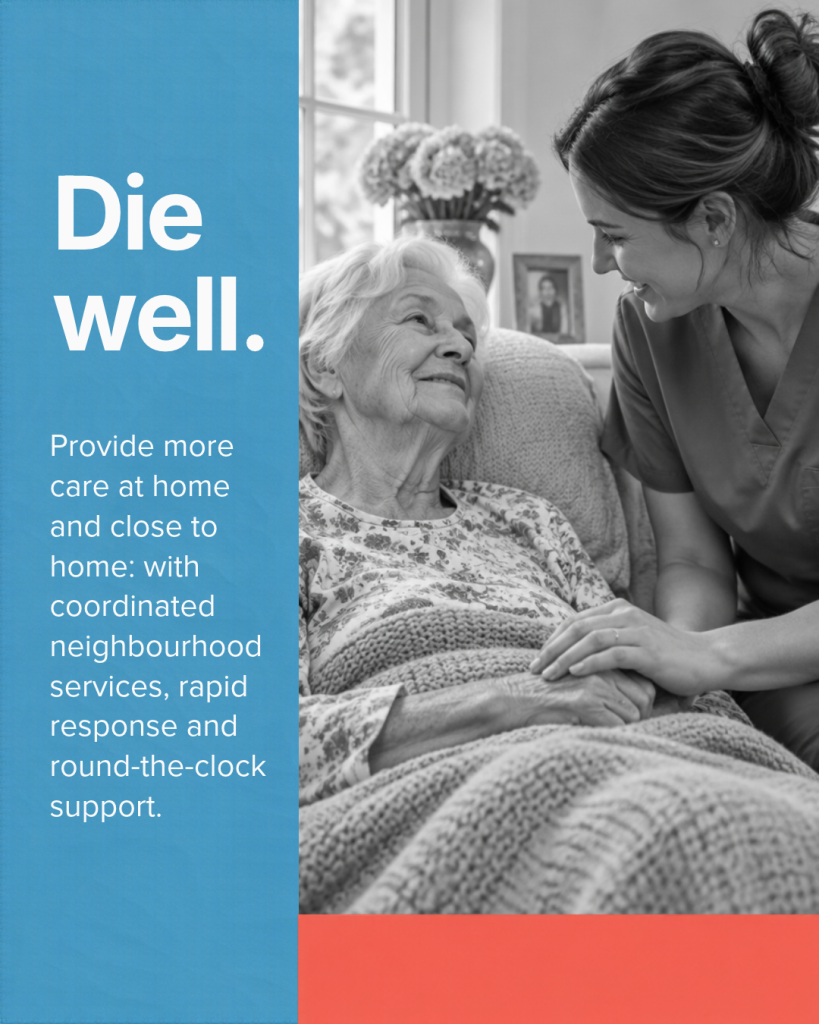
- Provide more care at home and close to home, backed by coordinated neighbourhood services, rapid response and round-the-clock support.
- Guarantee fair access by addressing inequalities linked to diagnosis, age, ethnicity, deprivation, rurality and postcode.
- Treat families and carers as partners, with practical help, information, training, emotional support and respite.
- Make bereavement support available before problems escalate.
- Build compassionate communities and invest in the workforce, shared learning, research and service improvement.
- Invest in the workforce and shared learning: building skills across health, social care, community services and volunteering.
- Measure access, outcomes, equity, preferred place of care, family experience and avoidable hospital use.
The scale of the opportunity
NHS England’s 2025/26 core-service allocations for the three Integrated Care Boards (ICB commissioners) total £4.852 billion: £1.865 billion for BSW, £1.732 billion for Dorset and £1.255 billion for Somerset. This is the broad commissioning envelope for core services, not a measure of hospital spending or end of life expenditure. It shows the scale of the system within which a shift towards community care must be made.
“All those extra 10ps in the bucket, it all adds up and it makes a huge difference. I dread to think how many people have put their 10p in a bucket so that I could be here.”
Emma Lineham, Dorothy House patient – deceased.
The plan recognises that hospital admission is sometimes the right and necessary choice. It also argues that too many people reach hospital because symptoms, uncertainty, family pressure or practical problems were not addressed early enough. Stronger community palliative care can offer an alternative before a crisis becomes an emergency.
Partners will consider how earlier, neighbourhood-based and family-centred care could improve people’s experience while reducing avoidable pressure on hospitals and protecting specialist capacity for those who need it most.
“There has to be a better way of funding it than making people run half marathons. You know, there’s something really unsettling about that.” – Lucy Alexander, widow of Matthew.
THE ASK: Fair and sustainable funding
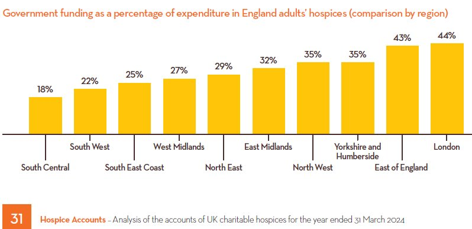
The proposed plan endorses Hospice UK’s four calls for fair hospice funding: full funding of specialist palliative care provided by hospices; fair, multi-year NHS contracts; funding for the cost of NHS pay rises; and national accountability for equitable palliative care provision.
Locally, the proposal calls for investment in earlier and home-based care, carers, bereavement support, compassionate communities, digital connection, workforce development, research and service improvement.
End of life care event – a call to action
NHS, local government, hospice, social care, community and political leaders across the region are being invited to unite behind a five-year programme of action and shared accountability. The ultimate aim of this end of life care event is a system that is compassionate for everyone, empowering for neighbourhoods and financially credible for the NHS.
- Share this page:
- https://www.dorothyhouse.org.uk/?p=170538